
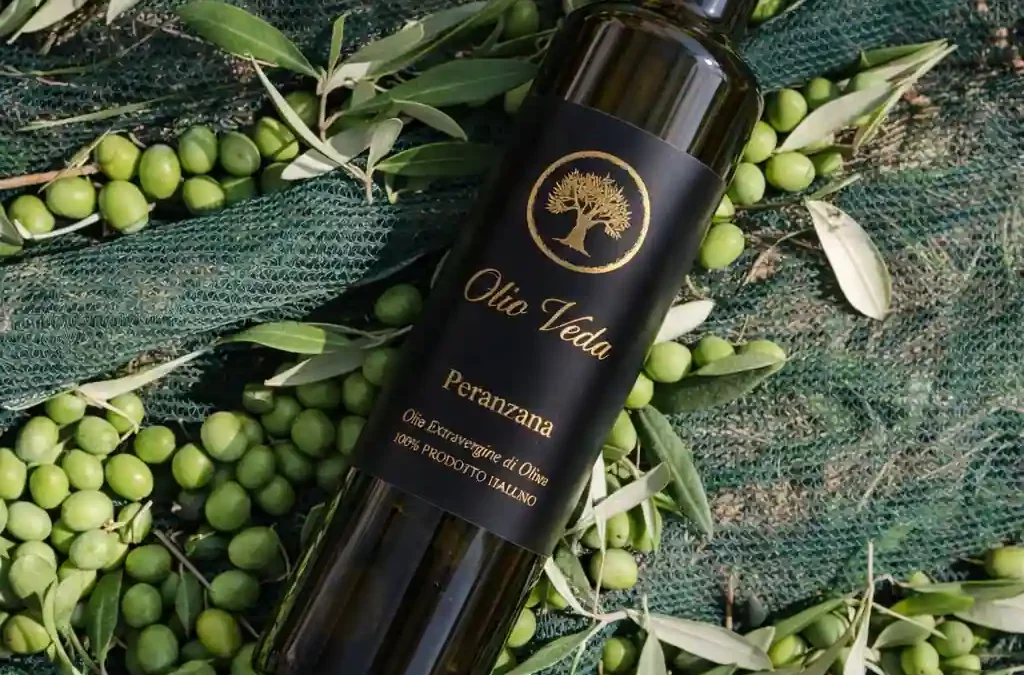
Italy produces some of the most celebrated extra virgin olive oil on the planet. With over 500 cultivars, centuries of tradition, and some of the strictest quality standards in the world, Italian extra virgin olive oil is more than a cooking ingredient — it’s a cornerstone of Mediterranean culture and gastronomy.
But what exactly makes Italian olive oil stand out from the rest? Why do chefs, food lovers, and health-conscious consumers across Europe and the UK consistently reach for bottles labelled “Made in Italy”?
In this guide, we explore everything that makes olive oil from Italy exceptional — from the unique terroir and production methods to the certifications that guarantee authenticity, and how to choose the best Italian olive oil for your kitchen.
Table of Contents
- A Tradition Rooted in Millennia
- Italy’s Great Olive Oil Regions
- What Makes Italian Extra Virgin Olive Oil Special?
- Health Benefits of Italian Extra Virgin Olive Oil
- How to Choose the Best Italian Olive Oil
- Italian Olive Oil vs. Spanish, Greek, and Tunisian
- Olio Veda: Authentic Pugliese Extra Virgin Olive Oil
- Frequently Asked Questions About Italian Extra Virgin Olive Oil
- Final Thoughts
A Tradition Rooted in Millennia
Olive cultivation in Italy dates back over 3,000 years to the Etruscans and ancient Romans, who regarded olive oil as liquid gold. The Romans developed sophisticated pressing techniques, built trade routes across the Mediterranean, and used olive oil not just for food but for medicine, lighting, and religious ceremonies.
This deep-rooted heritage lives on today. In regions like Puglia, Tuscany, Sicily, Calabria, and Liguria, families have been tending the same olive groves for generations. Many of Italy’s most respected olive oil producers — including small, family-run farms — still harvest by hand and press their olives within hours of picking, exactly as their ancestors did.
This continuity of knowledge and craftsmanship is one reason why Italian olive oil remains in a class of its own.
Italy’s Great Olive Oil Regions
Italy’s diverse geography — from alpine foothills to sun-drenched southern coastlines — produces an extraordinary range of olive oil flavours and styles. Each region has its own cultivars, climate, and character.
Puglia: The Heart of Italian Olive Oil Production
Puglia, in southern Italy, produces approximately 40% of all Italian olive oil. The region’s red earth, warm Adriatic breezes, and ancient Ogliarola and Coratina cultivars yield oils that are rich, fruity, and slightly peppery on the finish.
Many of Puglia’s olive trees are centuries old — some over a thousand years — and the region is home to some of the most authentic, artisanal producers in the country. Puglia olive oil, particularly from the areas around Andria, Bitonto, and the Daunia hills, is prized for its bold flavour profile and high polyphenol content.
Tuscany
Tuscan olive oil is known for its robust, herbaceous character. Made primarily from Frantoio, Moraiolo, and Leccino cultivars, it tends to be intensely green, with notes of artichoke, freshly cut grass, and a distinctive peppery kick. It’s a favourite of chefs worldwide for finishing grilled meats, bruschetta, and hearty soups.
Sicily, Calabria, and Liguria
Sicilian oils offer a gentler, more delicate profile — often fruity and almond-like, made from Nocellara and Biancolilla olives. Calabrian oils from Carolea olives are medium-bodied and versatile, while Ligurian Taggiasca oils are remarkably mild and buttery, perfect for seafood and pesto.
What Makes Italian Extra Virgin Olive Oil Special?
Strict Quality Standards and Certifications
Italy has some of the most rigorous quality control systems in the world for olive oil. The European Union’s Protected Designation of Origin (DOP) and Protected Geographical Indication (IGP) certifications guarantee that the oil was produced, processed, and bottled within a specific region using traditional methods.
Italy boasts over 40 DOP and IGP olive oil designations — more than any other country. These certifications are not just labels; they are legally enforced guarantees of origin, quality, and authenticity. When you buy a DOP-certified Italian extra virgin olive oil, you know exactly where it came from and how it was made.
Biodiversity and Cultivar Richness
With over 500 olive cultivars — more than any other nation — Italy offers an unmatched diversity of flavours. From the bold, bitter bite of a Coratina oil to the soft, sweet notes of a Taggiasca, there is an Italian olive oil to complement virtually every dish and palate.
This biodiversity also means Italian producers can create complex blends and single-cultivar oils that showcase the unique characteristics of their land, much like fine wine.
Cold Extraction and Traditional Milling
Authentic Italian extra virgin olive oil is always extracted at low temperatures (below 27°C), which preserves the oil’s delicate aromas, antioxidants, and polyphenols. Many producers in regions like Puglia still use modern stone mills or two-phase centrifuges that maximise quality while staying true to time-honoured techniques.
The result is an oil that is not just flavourful but packed with health benefits — a key reason why Italian EVOO is central to the Mediterranean diet.
Health Benefits of Italian Extra Virgin Olive Oil
Italian extra virgin olive oil is not just a culinary treasure — it’s one of the healthiest fats on the planet. Rich in oleic acid, polyphenols, and vitamin E, it has been linked to a wide range of health benefits:
- Heart health: The monounsaturated fats in EVOO help reduce LDL cholesterol and lower the risk of cardiovascular disease.
- Anti-inflammatory properties: Oleocanthal, a natural compound found in high-quality EVOO, has been compared to ibuprofen for its anti-inflammatory effects.
- Antioxidant protection: Polyphenols and vitamin E protect cells from oxidative stress and may help prevent chronic diseases.
- Brain function: Regular consumption of extra virgin olive oil has been associated with improved cognitive function and a reduced risk of neurodegenerative diseases.
- Weight management: Despite being calorie-dense, EVOO promotes satiety and is a key component of weight-healthy dietary patterns like the Mediterranean diet.
The key is quality. The health benefits are most pronounced in genuine extra virgin olive oil — particularly oils with high polyphenol counts, which are characteristic of Italian cultivars like Coratina from Puglia.
How to Choose the Best Italian Olive Oil
Not all olive oil labelled “Italian” is created equal. Here are the key things to look for when buying Italian extra virgin olive oil:
- Look for DOP or IGP certification: This is the strongest guarantee of origin and quality. If the label says “Olio DOP Terra di Bari” or “IGP Puglia,” you know it’s authentic.
- Check the harvest date: Fresh olive oil is better olive oil. Look for a harvest date (not just a best-before date) and buy oil from the most recent harvest season.
- Single-origin over blends: Single-cultivar or single-estate oils offer traceable quality. You know exactly what you’re getting.
- Dark glass bottles: Quality producers bottle in dark glass to protect the oil from light degradation. Avoid clear plastic bottles.
- Taste it: Good Italian EVOO should have a fruity aroma, a slightly bitter taste, and a peppery finish. If it tastes flat or greasy, it’s not the real deal.
- Buy directly from producers: The best way to ensure authenticity is to buy from small, family-run farms who grow, press, and bottle their own olives.
Italian Olive Oil vs. Spanish, Greek, and Tunisian
Spain is the world’s largest olive oil producer by volume, but Italy leads in variety and prestige. Greek olive oil — particularly from Kalamata and Crete — is excellent and typically milder in flavour. Tunisian oils have improved dramatically in quality in recent years.
What sets Italian olive oil apart is the sheer diversity of styles, the depth of tradition, and the rigour of the certification system. While other countries may produce more oil overall, no other nation offers the same breadth of cultivars, regional character, and legally protected quality standards.
For consumers who value traceability, flavour complexity, and authentic craftsmanship, Italian extra virgin olive oil remains the gold standard.
Olio Veda: Authentic Pugliese Extra Virgin Olive Oil
At Olio Veda, we are proud to continue a family tradition that spans four generations in the heart of Puglia. Our extra virgin olive oil is made exclusively from Ogliarola and Coratina olives, hand-harvested from our ancient groves in Puglia and cold-extracted within hours of picking.
Every bottle is single-origin, traceable to our family farm, and produced with the same care and passion that has defined our craft since 1984. We are a Slow Food Presidium — recognised for our commitment to biodiversity, sustainability, and artisanal quality.
Whether you drizzle it over a fresh salad, use it for cooking, or simply enjoy it with warm bread, our oil delivers the authentic taste of Puglia — rich, fruity, and unmistakably Italian.
Frequently Asked Questions About Italian Extra Virgin Olive Oil
What makes Italian extra virgin olive oil different from other olive oils?
Italian extra virgin olive oil stands out because of the country’s unique terroir, over 500 native cultivars, strict DOP and IGP certifications, and centuries of artisanal tradition. Italian EVOO typically offers more complex flavour profiles than bulk oils from other countries, and the cold-extraction process preserves polyphenols and antioxidants that define true extra virgin quality.
How can I tell if my Italian olive oil is authentic?
Look for a DOP or IGP label, a clearly stated harvest date, a dark glass bottle, and the wording “100% Italian olives” or “bottled at origin”. Authentic Italian EVOO has a fruity aroma, a slightly bitter taste, and a peppery finish. The safest choice is to buy directly from a producer like Olio Veda.
Is Italian extra virgin olive oil good for cooking?
Yes. High-quality Italian EVOO has a smoke point between 190°C and 210°C (374–410°F), making it suitable for sautéing, roasting, and even light frying. For more tips, see our guide to extra virgin olive oil for cooking.
What are the health benefits of Italian EVOO?
Italian extra virgin olive oil is rich in monounsaturated fats, polyphenols, vitamin E, and oleocanthal. Regular consumption has been linked to improved heart health, reduced inflammation, better cognitive function, and a lower risk of chronic disease — all hallmarks of the Mediterranean diet.
Where can I buy the best Italian extra virgin olive oil online?
The best way to buy authentic Italian EVOO is directly from the producer. At Olio Veda, we ship our single-origin Pugliese oil across Europe and the UK. Visit our online shop to explore bottles, bag-in-box formats, and bulk options.
Final Thoughts
Italian extra virgin olive oil is more than a product — it’s the expression of a land, a people, and a way of life that stretches back millennia. From the sun-soaked groves of Puglia to the rolling hills of Tuscany, every bottle tells a story of terroir, tradition, and uncompromising quality.
If you’re looking for the best olive oil for your health, your cooking, and your palate, look no further than genuine Italian EVOO. And if you want to taste the difference that generations of craftsmanship make, we invite you to try Olio Veda extra virgin olive oil.
