
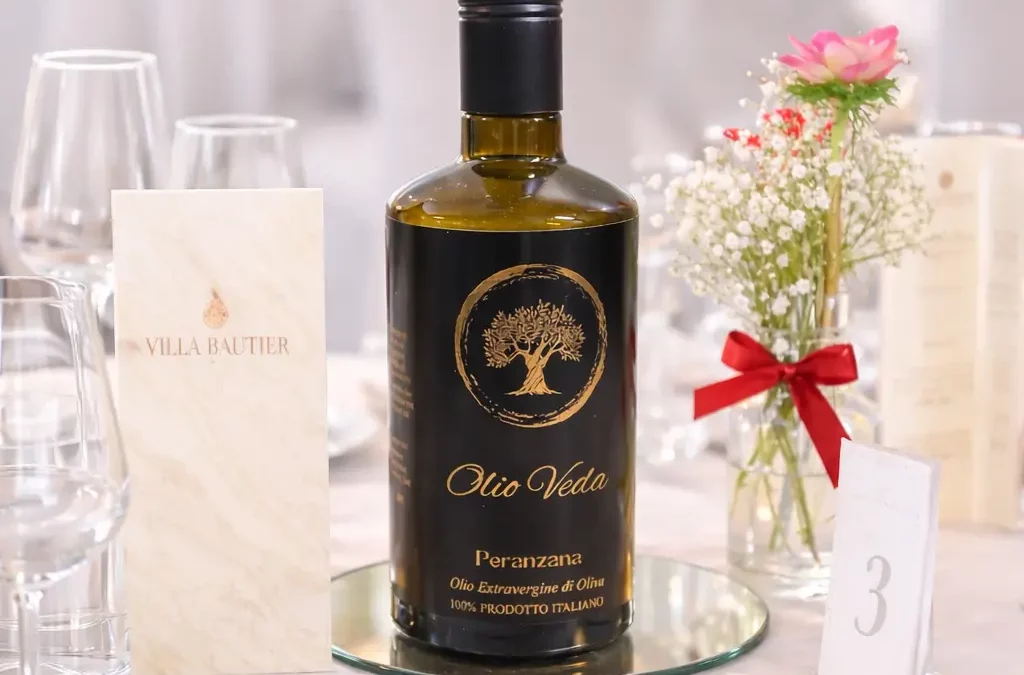
Choosing the best Italian extra virgin olive oil for your restaurant is one of the most important decisions you can make for your professional kitchen. It affects flavor, consistency, guest perception, and the identity of your menu. In a professional kitchen, extra virgin olive oil is more than a cooking fat — it is part of the dining experience.
If you want to serve authentic Italian cuisine, using a high-quality Italian extra virgin olive oil can make a real difference. The right EVOO enhances raw dishes, improves cooked preparations, and helps your restaurant communicate quality from the first taste.
Why Olive Oil Matters in a Restaurant
In hospitality, details matter. Guests may not always comment on olive oil directly, but they notice when a bruschetta tastes fresher, when a salad feels more balanced, or when a finishing drizzle adds depth and character to a dish.
For chefs and restaurateurs, olive oil plays several roles at once: it is used in cooking, for finishing, it may be served at the table, and it becomes part of the restaurant’s story. That is why choosing the best Italian extra virgin olive oil for your restaurant should be done with care.
Start with Real Extra Virgin Olive Oil
The first rule is simple: choose a true extra virgin olive oil, not a generic olive oil blend. Extra virgin olive oil is the highest category of olive oil. It is obtained mechanically, without chemical refining, and it preserves the natural aromas, flavor, and character of the olives. For a restaurant focused on quality, this is the standard to aim for.
When evaluating a bottle or supplier, avoid vague products with unclear origin or low transparency. A professional kitchen needs reliability, traceability, and freshness.
⚠️ Red flag: If the label says “pure olive oil,” “light olive oil,” or “product of multiple countries” — walk away. These are refined oils stripped of flavor and health benefits.
Check the Origin Carefully
Origin is one of the most important factors. If your goal is to offer authentic Italian quality, look for oils that clearly state they are 100% Italian. Many products on the market use blends of oils from different countries — cheaper, but rarely offering the same identity, flavor precision, or storytelling value as a genuine Italian EVOO.
For restaurants, origin is not just a label detail. It is part of your positioning. If your menu speaks about Italian ingredients, regional recipes, or Mediterranean quality, your olive oil should reflect that promise. Learn more about our family’s approach to authentic Pugliese production.
Look for Region and Variety
Not all Italian olive oils taste the same. Italy has over 500 native olive cultivars, each with its own sensory profile. Oils from Puglia are often appreciated for their structure, intensity, and character — showing notes of fresh grass, artichoke, almond, and a pleasant peppery finish. These traits are especially valuable in restaurants because they help the oil remain noticeable even in composed dishes.
A restaurant can benefit from choosing oil based on use:
- Robust EVOO for grilled vegetables, soups, legumes, and meat dishes.
- Elegant, balanced EVOO for fish, salads, and delicate starters.
- Distinctive oil for table service and finishing.
Taste Before You Buy
Price and label are important, but tasting is essential. A good Italian extra virgin olive oil should feel alive — with freshness, aromatic clarity, and balance. Quality EVOO typically shows fruity notes, pleasant bitterness, and a peppery sensation in the throat. These are positive characteristics, not defects. They are signs of fresh olives and a rich polyphenol profile.
If an oil tastes flat, greasy, stale, or anonymous, it will not elevate your food. A restaurant should choose an oil that adds personality, not just lubrication.
Match the Oil to the Kitchen Use
One of the most common mistakes in hospitality is using the same oil for every purpose. The best approach is to choose according to application:
- For finishing: use a premium monovarietal EVOO with strong aroma and personality.
- For everyday cooking: use a stable, balanced extra virgin olive oil with consistent quality.
- For table service: use an oil that tastes excellent on its own and looks professional in presentation.
Explore how traditional cold-extraction methods preserve these essential characteristics in premium Italian oils.
Consider Packaging for HoReCa
Packaging matters more than many buyers realize. For kitchen operations, larger formats such as tins or bag-in-box containers are practical and cost-efficient. For dining room use, smaller dark-glass bottles improve presentation and preserve quality better once opened.
When choosing a supplier, consider: ease of storage, protection from light and heat, suitability for service, and ease of handling during busy shifts.
Freshness Is a Key Buying Factor
Freshness is often underestimated. Olive oil is not wine: it does not improve with age. A fresher oil generally offers better aroma, brighter flavor, and stronger sensory definition. When possible, check the harvest date and ask the supplier about the current lot. A properly stored premium EVOO maintains its sensory characteristics for 12–18 months from harvest date.
Ask the Right Questions to Your Supplier
Before placing a wholesale order, ask these questions directly:
- Where are the olives grown?
- Is the oil 100% Italian?
- What cultivar or blend is used?
- When was it harvested?
- What formats are available for HoReCa?
- Can you receive a sample before buying in volume?
A serious supplier should answer clearly and without hesitation. Transparency is one of the strongest indicators of quality.
Think Beyond Price per Liter
Many restaurants choose olive oil based only on unit cost. A better olive oil can improve perceived quality across multiple dishes, support premium pricing, reinforce authenticity, and create a better first impression at the table. The right EVOO is not just a cost item — it is part of the value you serve. The cheapest option may reduce spending on paper, but it often weakens the guest experience.
Why Italian EVOO from Puglia Is a Strong Choice
For restaurants looking for character, consistency, and authentic origin, Puglia is one of the most compelling sourcing regions in Italy. Pugliese extra virgin olive oil is known for its strong identity, Mediterranean profile, and suitability for professional kitchens. It works particularly well in restaurants that want an oil with depth, structure, and a recognizable Italian soul — ideal for pizzerias, trattorias, fine-casual restaurants, and premium hospitality concepts.
Final Thoughts
The best Italian extra virgin olive oil for your restaurant is the one that matches your cuisine, supports your brand, and performs consistently in service. Choose an oil with clear origin, authentic Italian identity, balanced flavor, professional packaging, and reliable supply. Taste it carefully, match it to the right culinary use, and treat it as a strategic ingredient — not as a generic commodity.
Ready to Source Premium Pugliese EVOO for Your Restaurant?
At Olio Veda, we produce single-origin extra virgin olive oil from the heart of Puglia, cold-extracted from hand-selected Coratina and Ogliarola olives. We supply restaurants, pizzerias, and hospitality operators with flexible formats — from 5L bag-in-box for kitchen use to premium 500ml bottles for your table service.
Contact us for a free sample and our HoReCa wholesale price list. We ship across Italy and Europe. Minimum orders available for small and mid-size restaurants.
